
Stamping and assembly technology
Bogner turns individual parts into functional units
When individual precision components are to become a reliable assembly, it is the assembly process that determines quality, functionality, and delivery capability. This is exactly where Bogner GmbH & Co. KG comes in. In Keltern and the surrounding region, we support you with stamping and bending technology — and above all with the assembly of complex units down to the micro range. For you, this means fewer interfaces, faster coordination, and a result that performs reliably in the field.
Whether you are developing new assemblies, preparing an existing design for series production, or need an economical solution for prototype parts and small batches, we support you from the prototype stage through to full-scale production. In doing so, we contribute our in-house expertise to the development of your assemblies so that an idea becomes a robust, production-ready solution.
→ Schedule a consultation now!


From stamping technology to the finished assembly
Everything from a single source
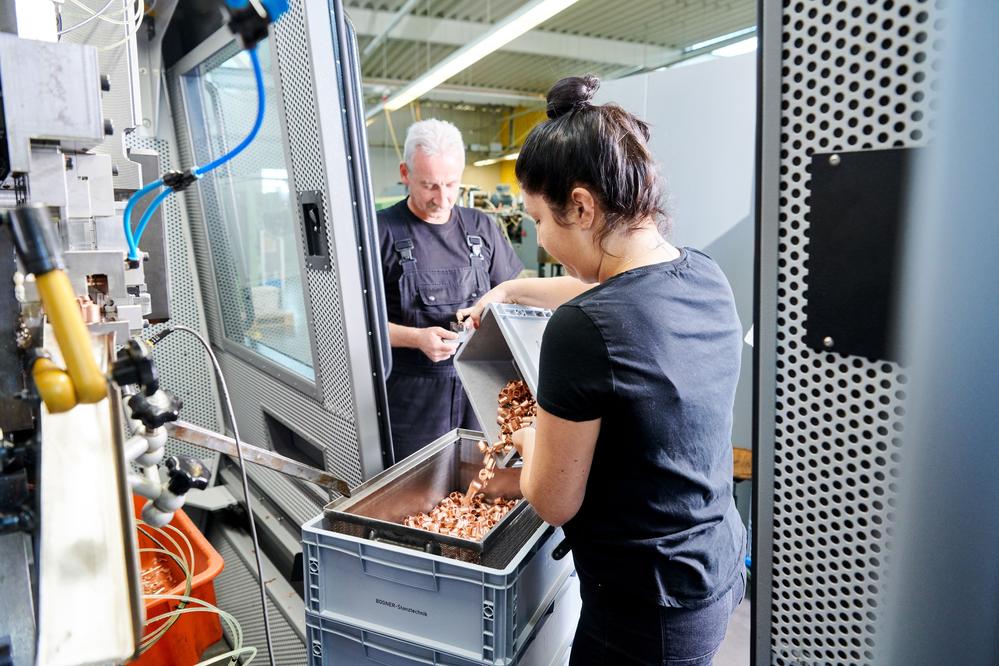
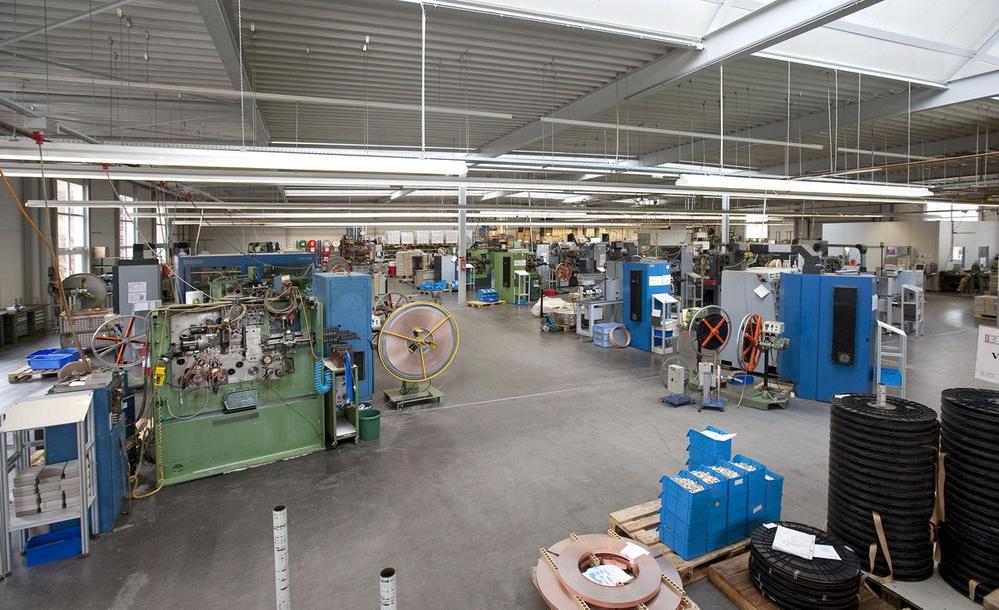
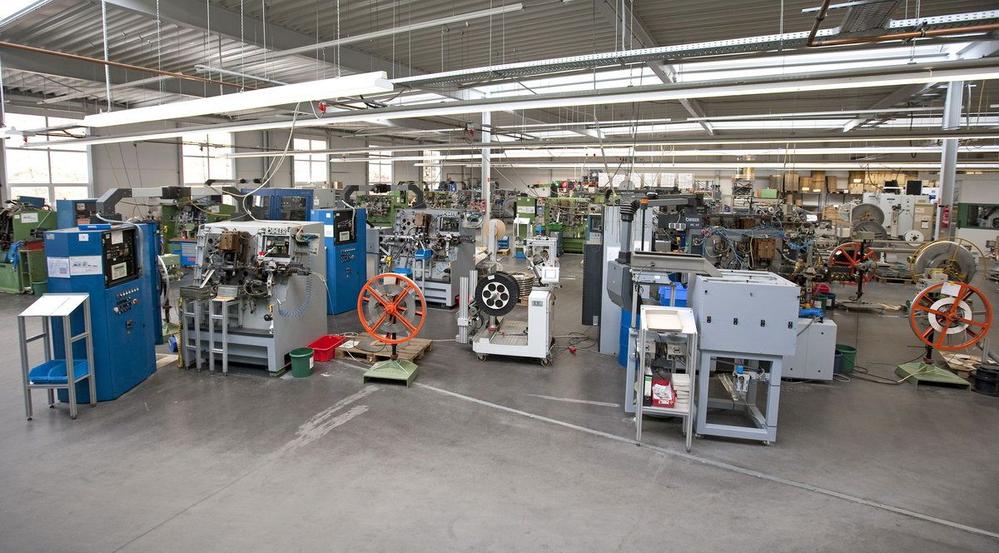
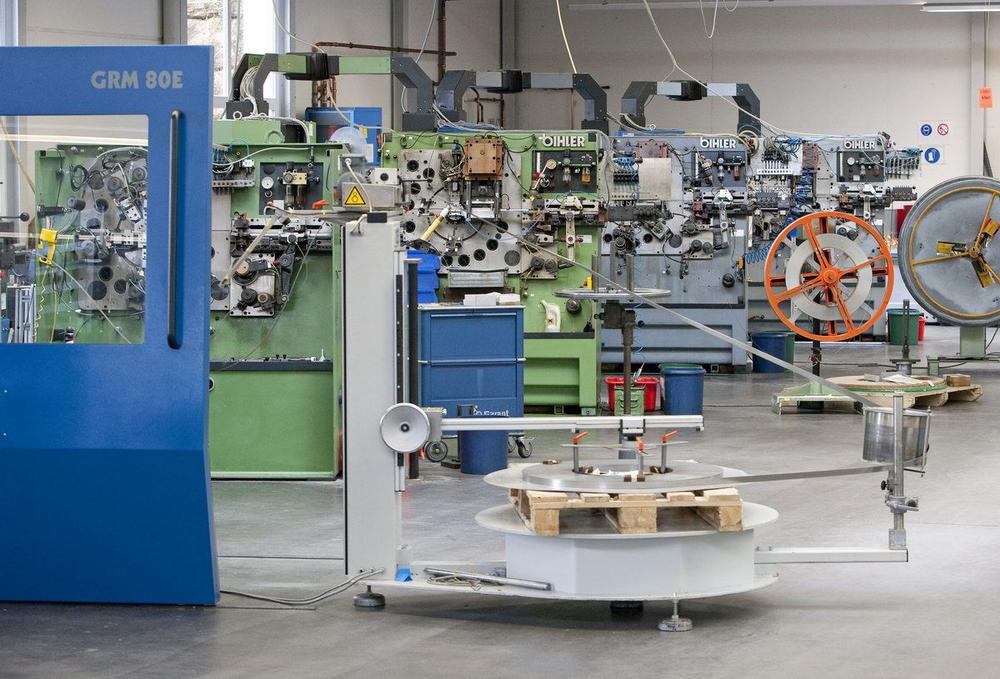
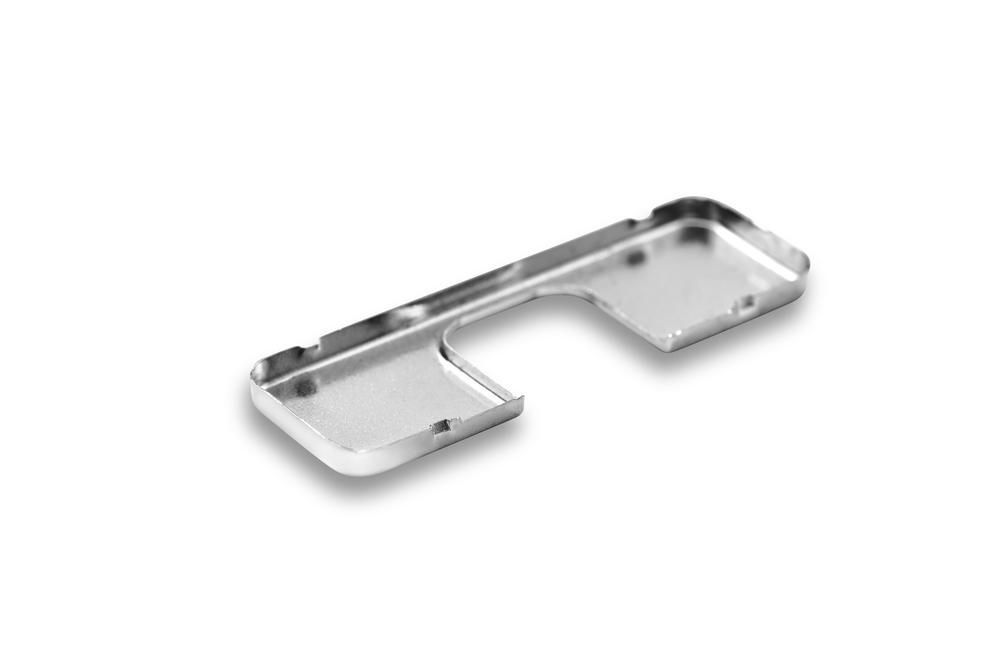
Our stamping technology is divided into two areas: progressive die technology as well as bending and assembly technology. In progressive die technology, we work with Bruderer high-performance stamping presses and Haulick + Roos high-speed presses with press forces ranging from 200 to 800 kN. For bending and assembly technology, 19 precise Bihler stamping and bending machines and multicenters are available. This enables us to process material thicknesses from 0.02 to 3.0 mm and manufacture components economically in series.
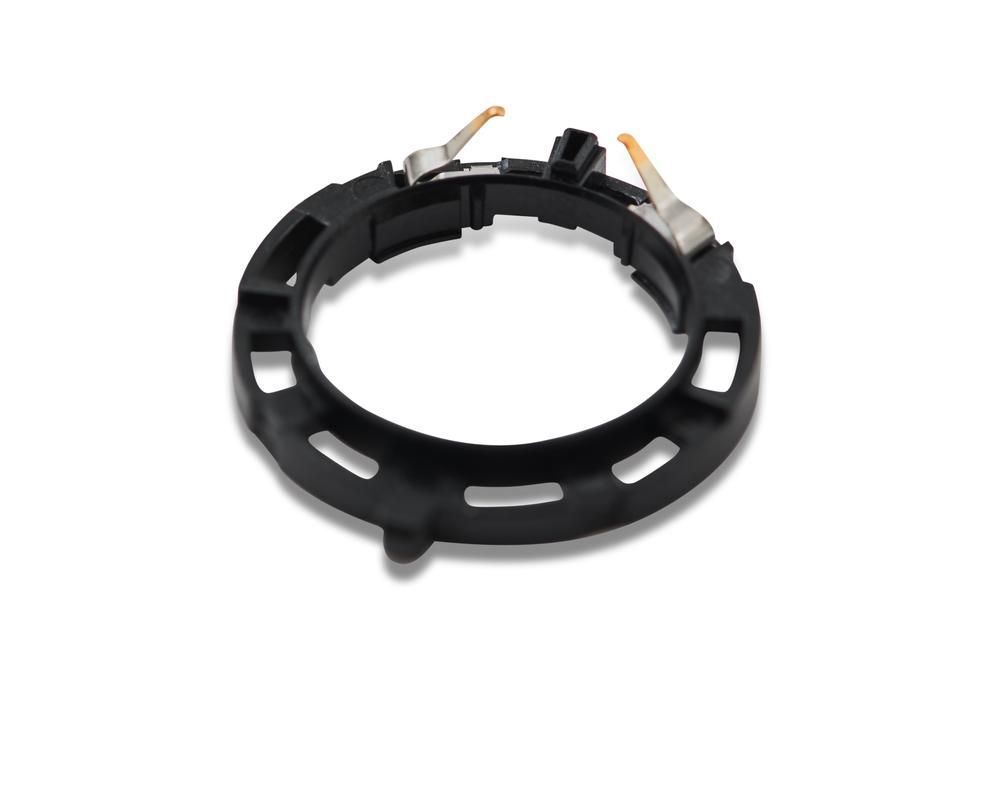
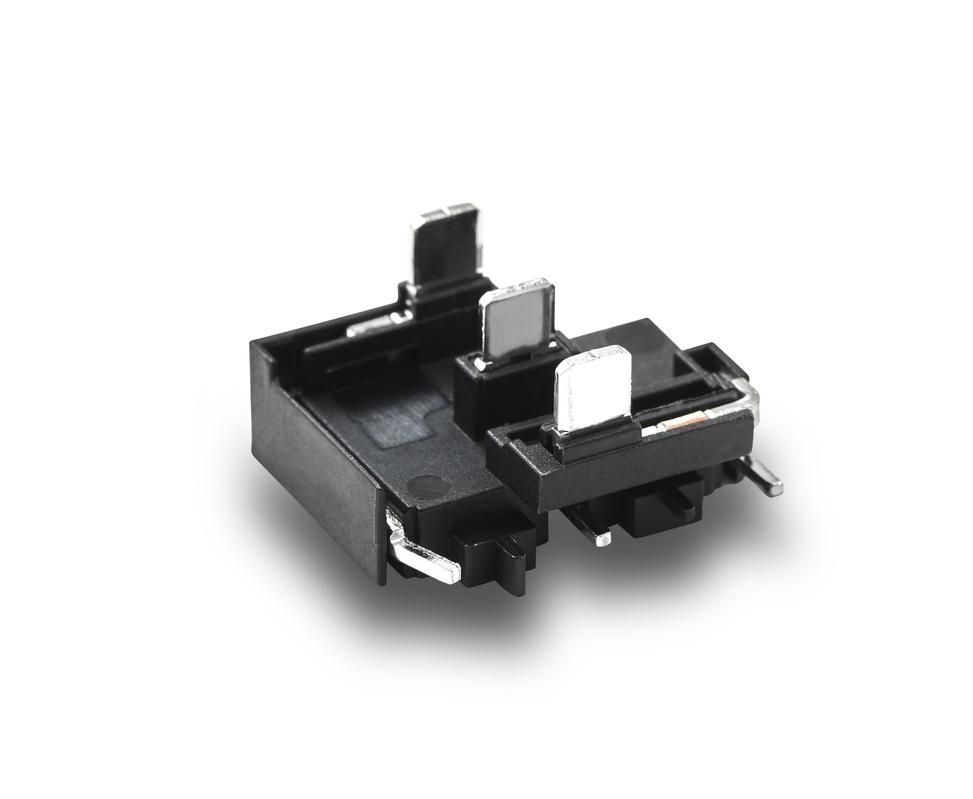
The decisive added value arises when these components become a functioning unit. Our specialty is the assembly of complex units in plastic composite technology, including assembly work down to the micro range. You receive not just individual parts, but an assembly that can be used directly in your product process.
Service overview for the assembly
of your complex units
Service overview:
- Stamped and bent parts: Production of precision components and functional geometries
- Assembly of complex units: Plastic composite technology and assembly work down to the micro range
- Assembly manufacturing: Screwing, welding, and assembling in a coordinated process
- Thread cutting: Integrated machining steps for functional components
- Welding and contact welding: For durable connections and reproducible quality
- Riveting: Secure mechanical joints for assemblies and mounted parts
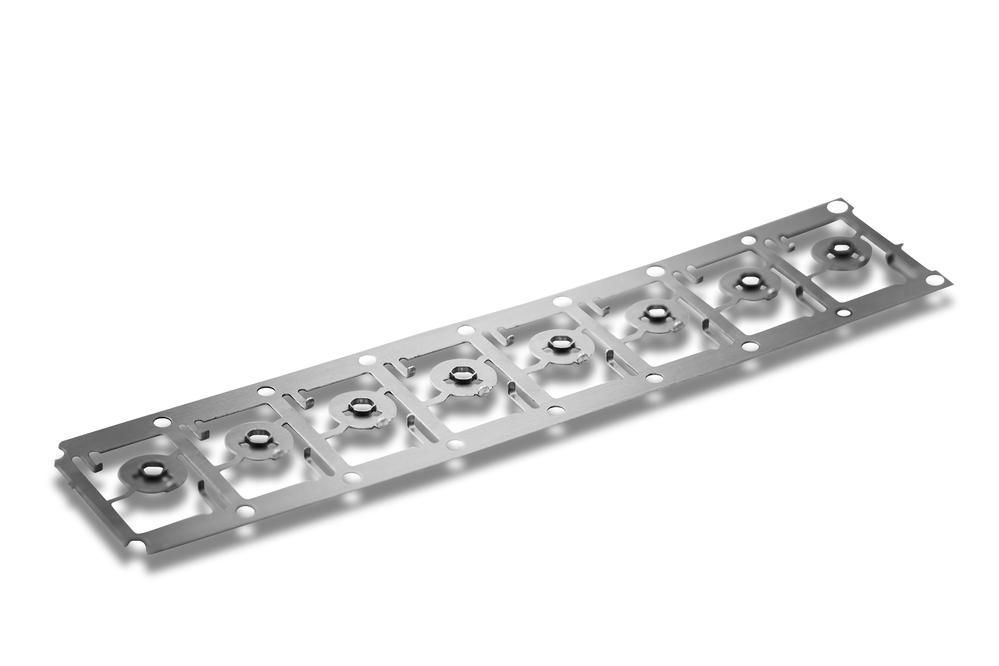
- Coating as required: Formed parts supplied as strip material or bulk goods with the desired surface finish
- Packaging to customer specifications: Automatically in trays, blisters, or other packaging formats
- Strip or bulk production: Adapted to geometry, quantities, and logistics

Why Bogner for the assembly of complex components
the right choice is
When purchasing or developing assemblies, three factors matter most: reproducible quality, process-reliable series production, and predictable costs. Bogner combines modern, highly automated series manufacturing with a strong focus on the assembly of complex units. This reduces coordination effort, avoids friction between suppliers, and accelerates the path to series readiness.
The advantages:
- Fewer interfaces: You receive part manufacturing and the assembly of complex units from a single source
- Series-ready processes: Highly automated production on modern Bihler stamping and bending machines as well as high-performance stamping presses ensures stable results.
- High precision: Material thicknesses from 0.02 to 3.00 mm enable solutions ranging from micro-scale applications to robust components
- Faster development: Our expertise flows into your assembly development, from prototype to series production
- Cost efficiency: We implement prototype parts and small series as economical solutions without unnecessary complexity
- Quality built into the process: SPC directly at the machine and fully automated measurement processes support consistently high manufacturing quality
Automation
that relieves your supply chain
For us, series production means highly automated manufacturing designed for repeat accuracy. Automatic feeding systems and automated box changes help stabilize throughput times. SPC directly at the machine supports process control. Fully automated measurement procedures using Keyence systems and a contour measuring device ensure that dimensions and contours are reliably monitored. This provides planning security and reduces the risk of complaints.
This process stability is particularly crucial in the assembly of complex units, where many individual steps must interlock precisely. We design workflows so that assembly, joining, and inspection are perfectly coordinated—ensuring the finished unit arrives exactly as you need it.
Our gallery
A brief overview for you
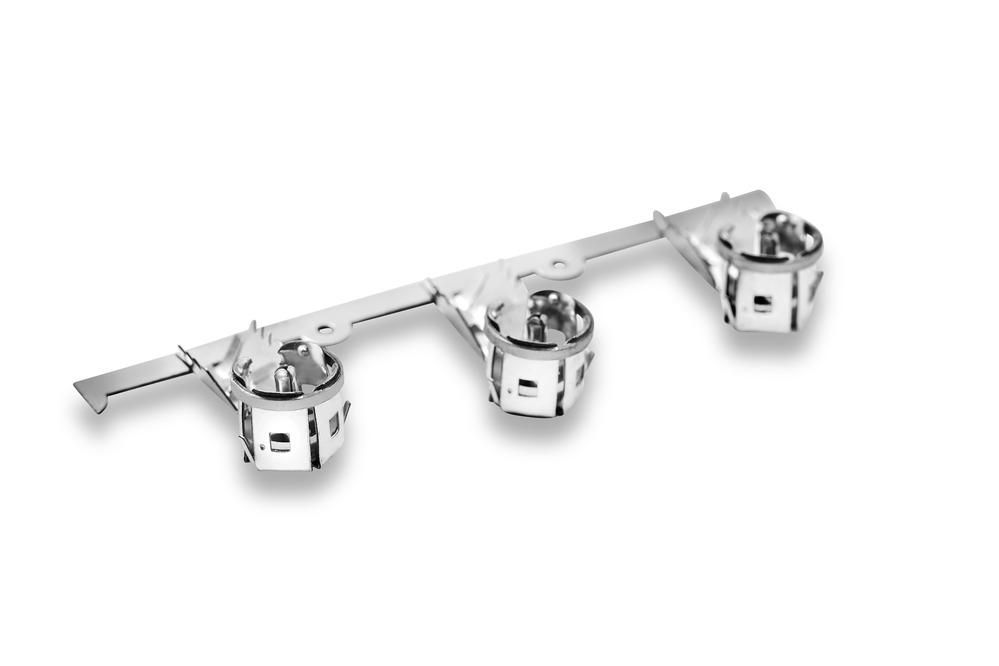
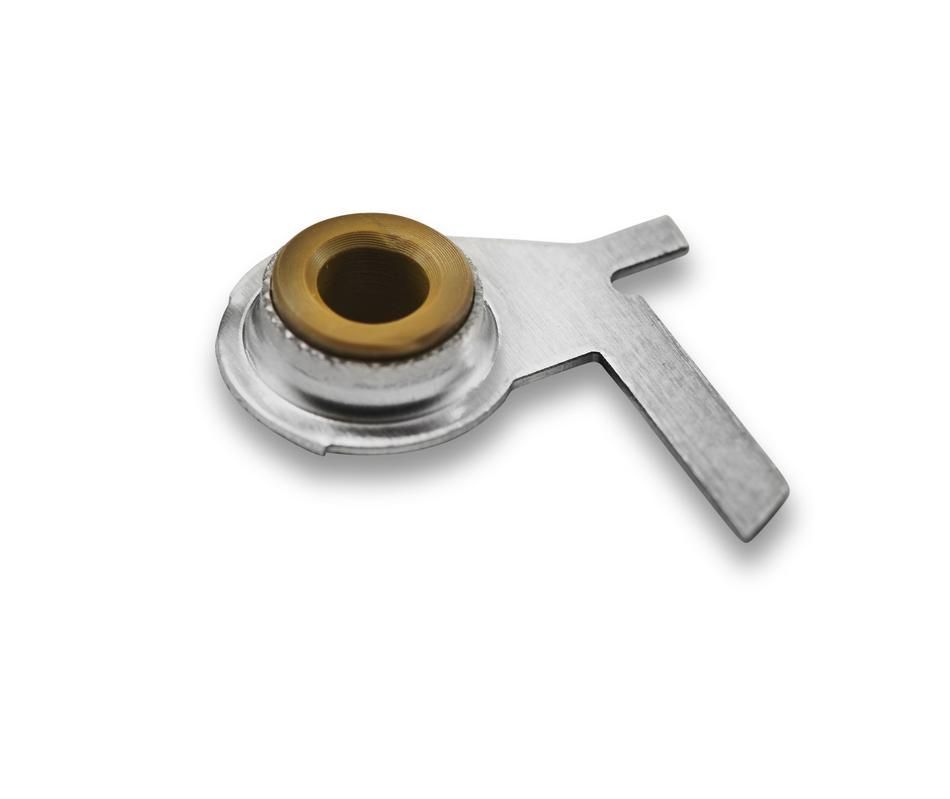
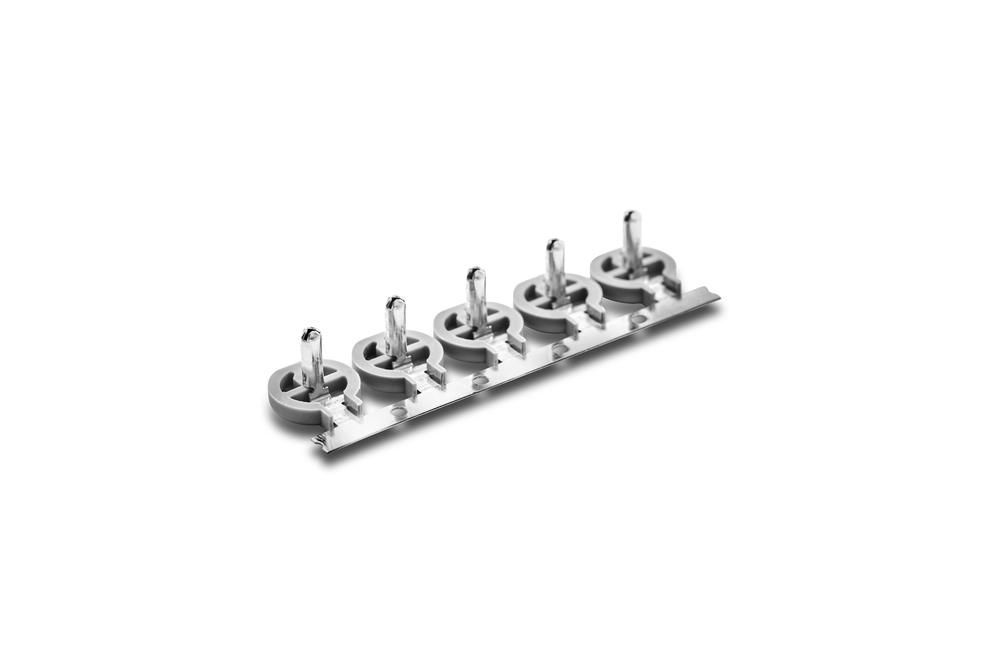
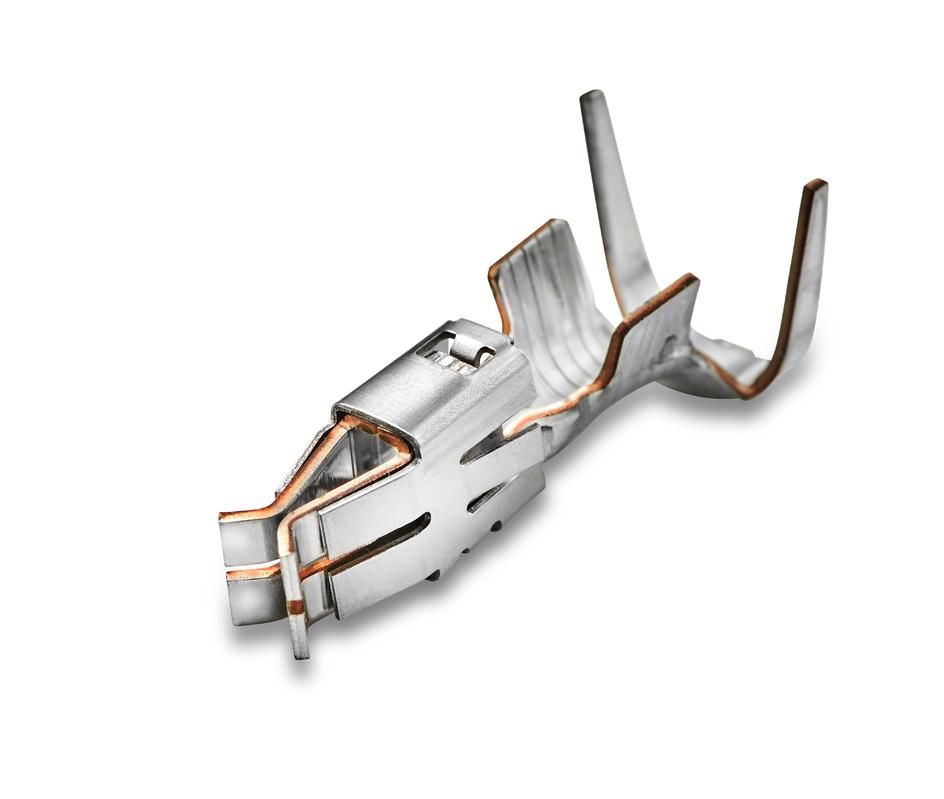
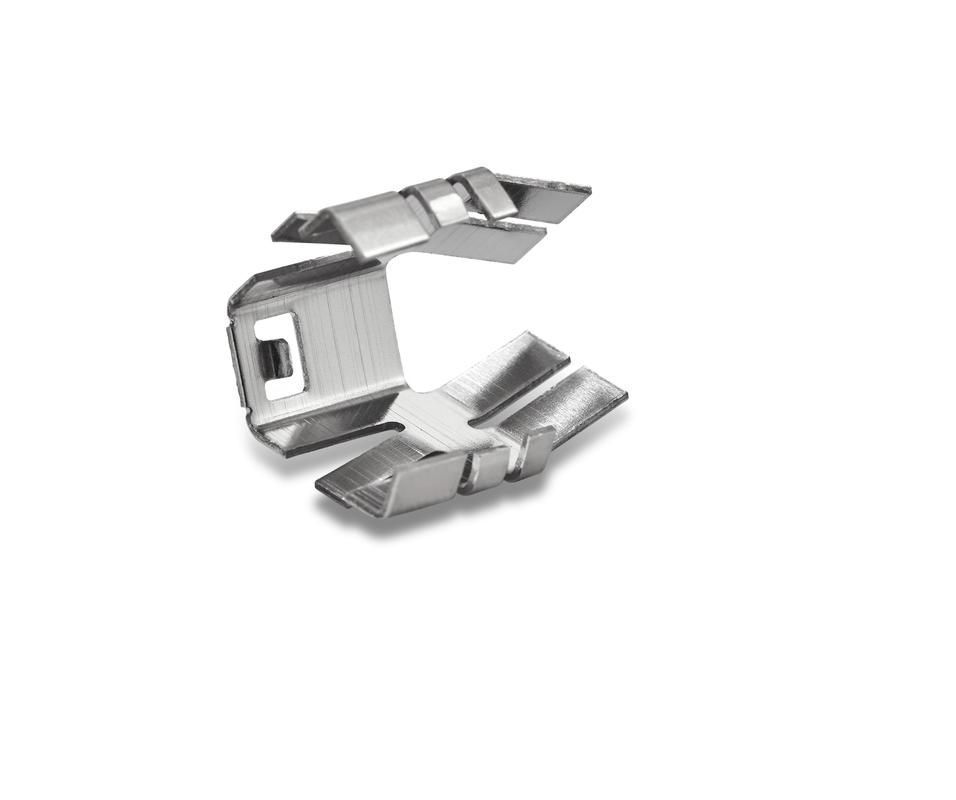
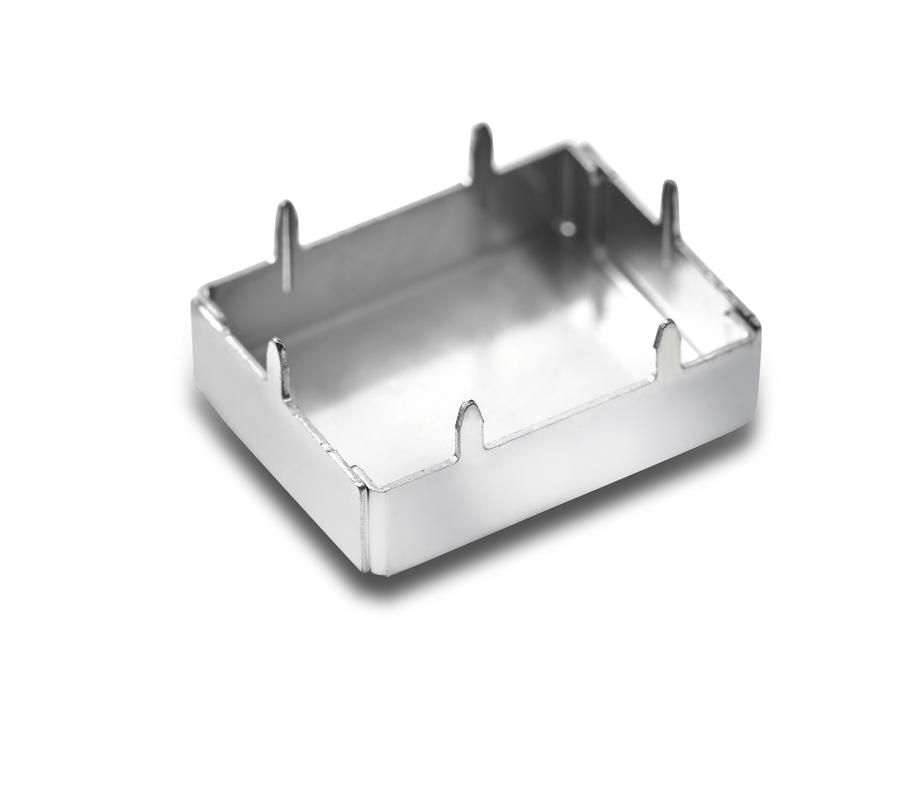
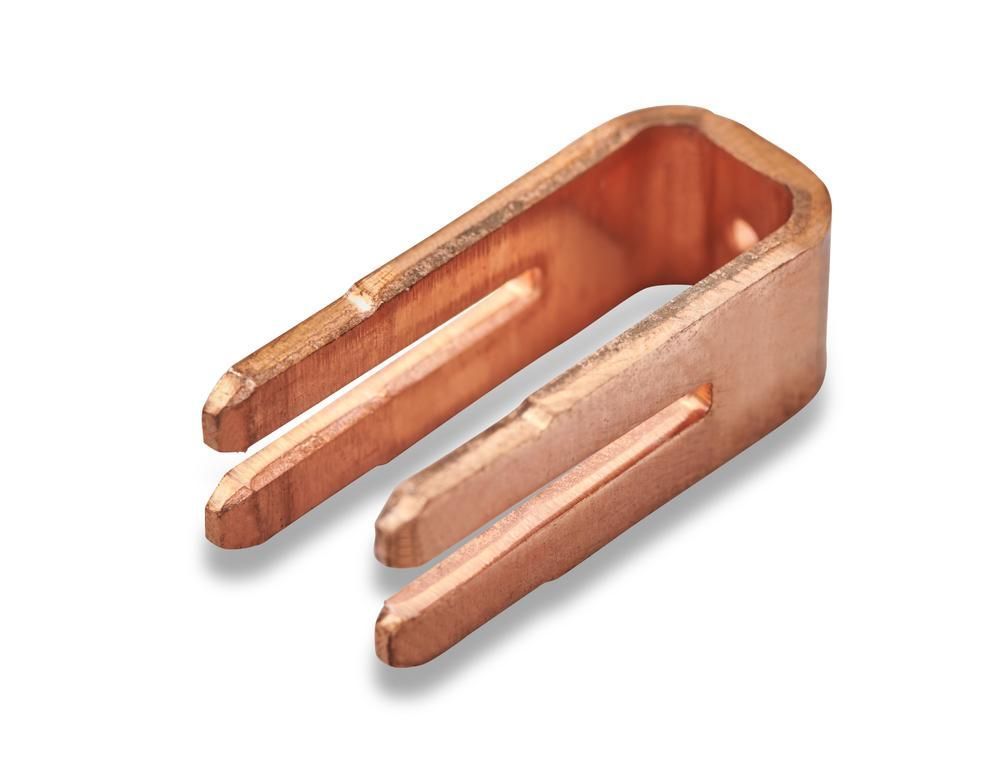
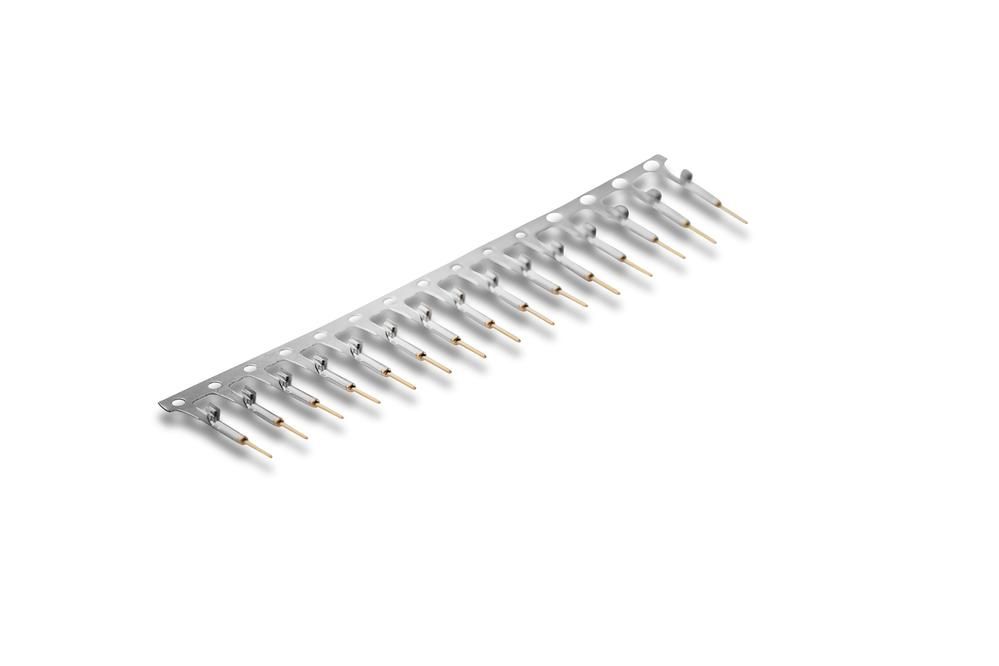
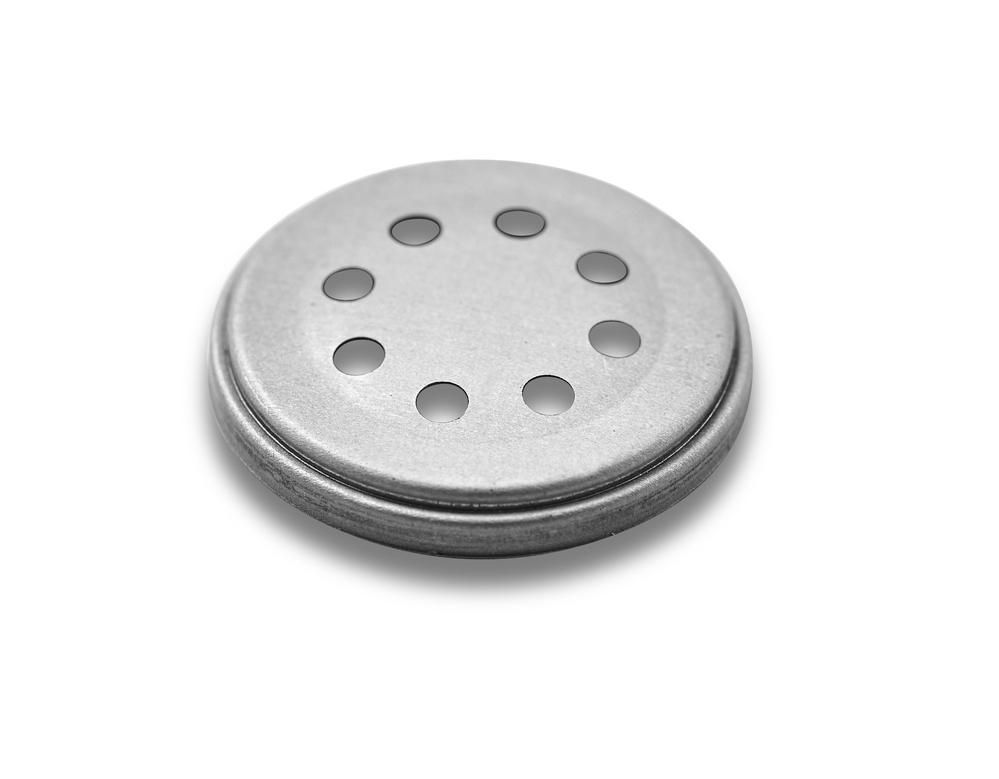
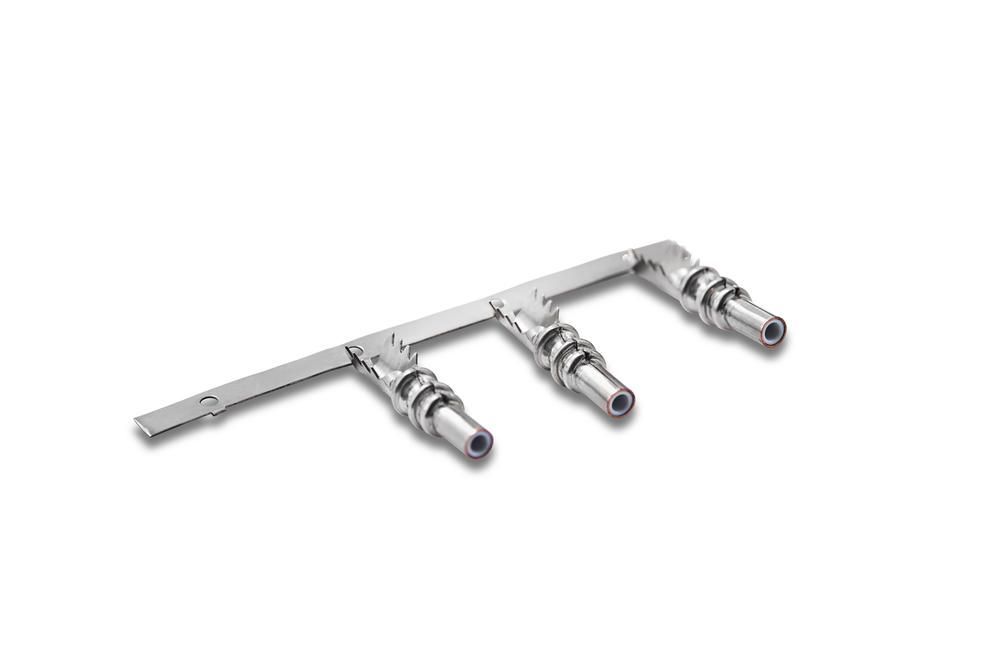
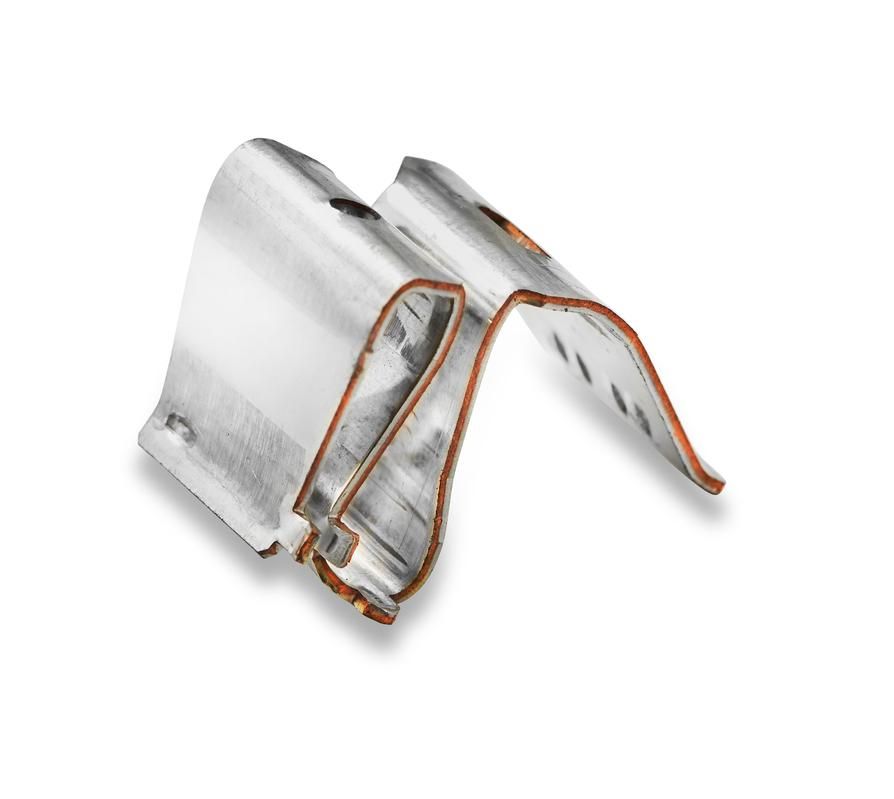
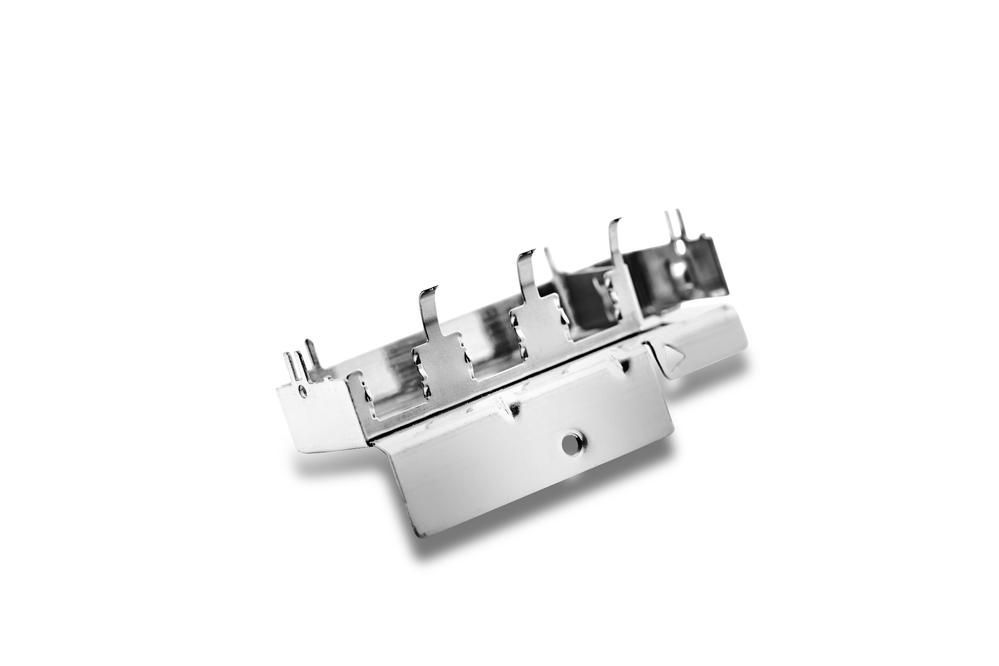
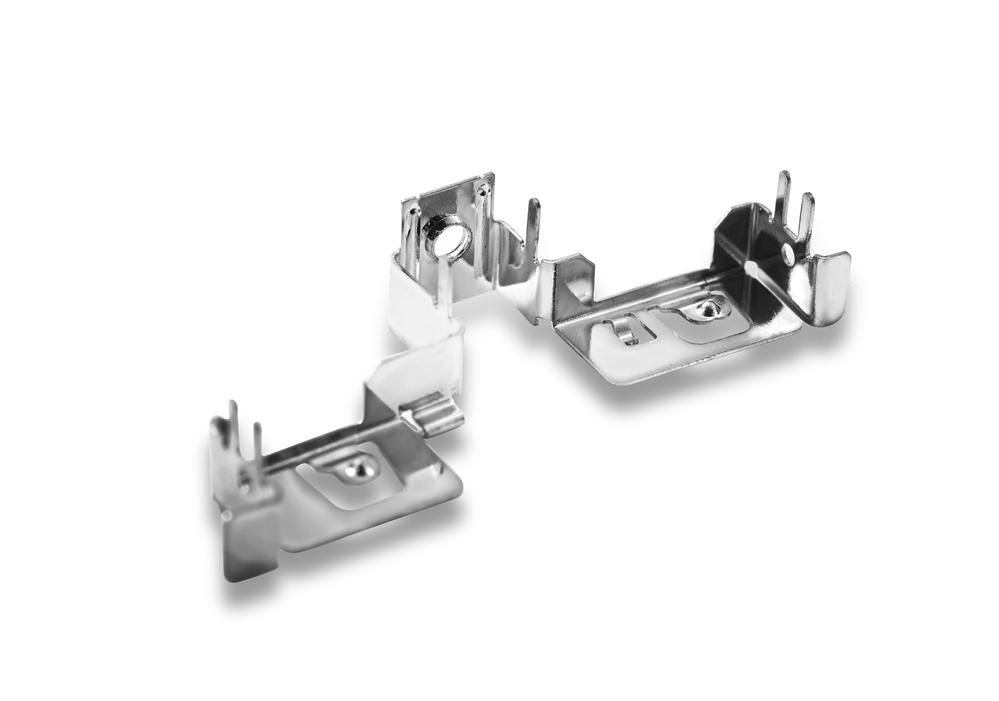
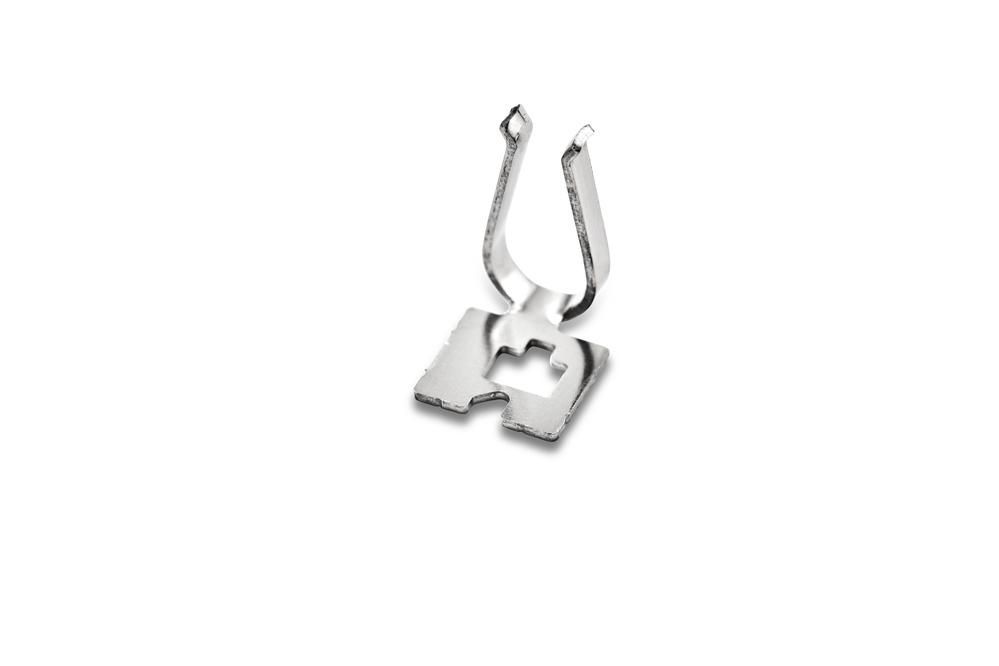
Stamped parts
Frequently asked questions(FAQ) about the assembly of complex components at Bogner
Contact us nowWhich applications is the assembly of complex units particularly suitable for?
For products in which precise components, stable connections, and reproducible functions are critical—especially when multiple components must be combined into a single unit.
What material thicknesses can be processed?
We process material thicknesses from 0.02 to 3.0 mm, covering applications from the micro range to larger functional components.
Does Bogner also provide development support?
Yes. Our in-house expertise and experience are available to support the development of your assemblies—from the prototype stage through to series production.
Are prototype parts and small series also possible?
Yes. We offer cost-effective solutions for prototype parts and small series so you can quickly achieve reliable results.
Can surfaces and packaging be implemented according to specifications?
Yes. If required, we can have formed parts coated with the desired surface finish as strip material or bulk goods and automatically package the items according to your specifications—for example, in trays or blister packs.
How is quality ensured in series production?
Through process control directly at the machine, SPC, and fully automated measurement procedures designed for stable series manufacturing.
